What are the best places to visit in Andalusia? Read on to discover the must-see destinations in this region of Spain, from historic cities to natural wonders.
Jump to a section of this article
Why Visit Andalusia
Andalusia is Spain’s southernmost region. Known for its rich culture, warm and sunny climate, and fascinating history, Andalusia is a must-see region in Spain.
For nearly 800 years, until the end of the 15th century, the Moors ruled Spain. Some of the most important cities during this time included Seville, Granada, and Cordoba, which are some of the best places to visit in Andalusia today, where Moorish influence, particularly in historic architecture, is still strongly visible.
Andalusia is also known for its unique culture. Iconic traditions like flamenco dancing and bullfighting originated here. Eating, drinking, and socializing are important aspects of Andalucian culture. Tapas, or small plates of appetizers shared among the table, were invented here.
The landscape of Andalusia is also varied and diverse, making it a can’t-miss destination in Spain. From hills and mountains to arid deserts in the northern and central parts of the region, to some of the best beaches of Spain in the south, Andalusia is full of natural beauty.
Here’s a look at the best places to visit in Andalusia for an unforgettable trip.
11 Best Places To Visit in Andalusia, Spain
The Historic Cities
As the second-largest region in Spain by area, Andalusia is filled with incredible cities. Whether you’re interested in elegant cities with historic Moorish palaces or urban beach hotspots with charming old towns, here are the best cities to visit in Andalusia.
1. Seville
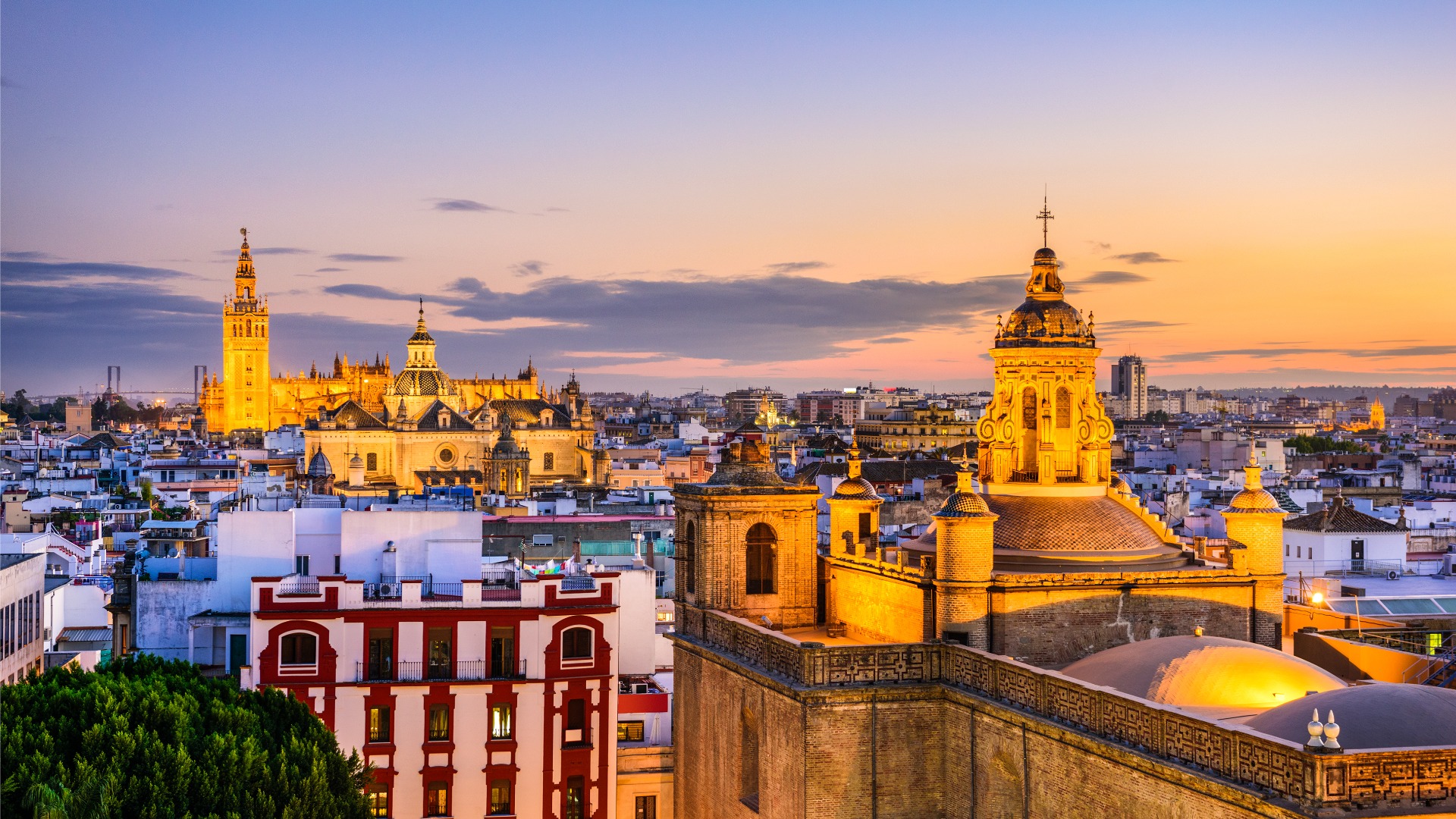
As the capital of Andalusia and the fourth-largest city in Spain, Seville is one of the best places to visit in Andalusia. It’s the perfect place to start your trip to the region.
You can get a taste of the Moorish influence in Andalusia by visiting the Real Alcazar, a historic palace that was originally a Moorish citadel.
In the late 14th century, the palace and gardens were largely rebuilt in the Mudejar style, which combines Arabic and Spanish design. You can easily spend several hours wandering around the opulent palace and its gardens, where peacocks roam around freely.
While in Seville, you also can’t miss visiting the Seville Cathedral, which is the largest Gothic-style cathedral in the world. Once the site of a mosque, it was converted into a church after the period of Moorish rule ended.
The Giralda, which is the cathedral’s tower, was once a minaret, and you can climb it for sweeping views over the city. You can also find the tomb of Spanish explorer Christopher Columbus inside the cathedral.
Santa Cruz, the historic Jewish quarter of Seville, is a great neighborhood for a stroll. The Jews, like the Muslims, were exiled from Spain throughout the 16th century.
In the evening, you can enjoy tapas at one of the many sidewalk cafés or bars in the city, along with a glass or two of Seville’s orange wine. A traditional flamenco show is another unique thing to do in Seville, and you can appreciate this style of dance in its birthplace.
2. Granada
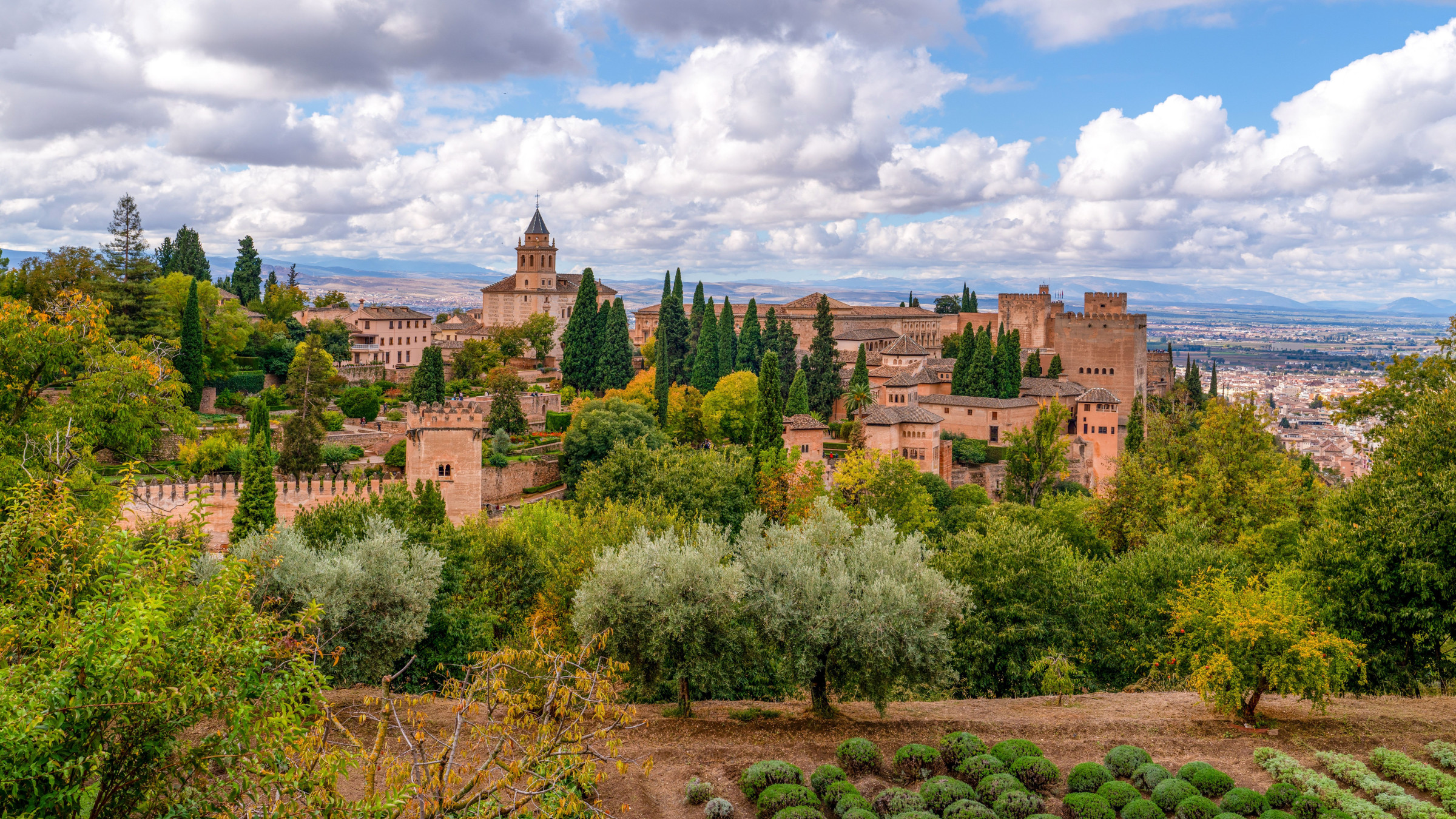
Granada is a smaller city in Andalusia, nestled in the foothills of the Sierra Nevada mountain range. It’s most famous for the Alhambra, a sprawling hilltop fortress showcasing the height of Moorish architecture in Spain.
This medieval citadel is one of the most-visited tourist attractions in Spain, and it’s remarkably beautiful and well-preserved.
There are lots of things to do in Granada beyond the Alhambra, though. It’s one of the most atmospheric destinations in Spain, with a lively atmosphere and stunning views.
The Albaicin neighborhood, with its steep cobblestone streets and whitewashed houses, offers amazing views of the Alhambra. The Mirador de San Nicolas is the best viewpoint of all, especially if you go at sunset.
The neighborhood of Sacromonte is well-known for its unique cave houses and flamenco tradition. If you didn’t catch a flamenco show in Seville, this is another great place to do it.
3. Cordoba
During the Islamic Golden Age, Cordoba was another very important city for the Moors. There are excellent examples of Moorish architecture that still remain in Cordoba, most notably the Mezquita-Catedral.
This present-day cathedral was originally constructed as a mosque, and it beautifully blends two distinctive religions and architectural styles.
The Alcazar de los Reyes Cristianos is another must-visit site in Cordoba. This historic fortress is emblematic of the Mudejar style that flourished in the 14th century.
Dating back even further, the Roman Bridge of Cordoba is one of the best-preserved structures from antiquity. This bridge, which was constructed by the Romans in the 1st century, spans the Guadalquivir River in Cordoba and will be recognizable to fans of the television show Game of Thrones as the bridge of Volantis.
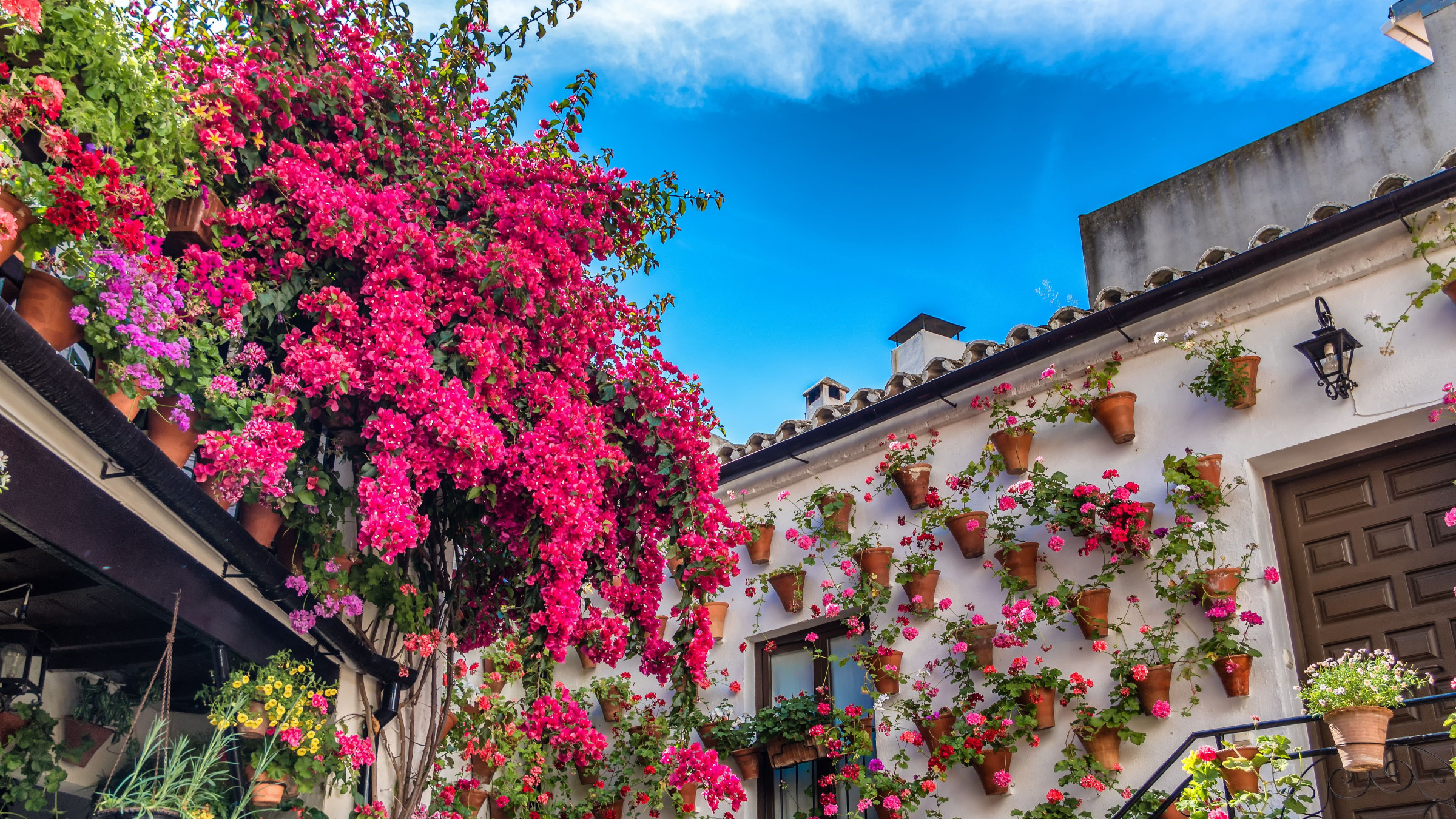
One of the best things about Cordoba is the city’s Fiesta de los Patios. Every spring, residents and businesses in the city decorate their private interior patios, or courtyards, with flowers and open them to the public.
If you aren’t visiting during the spring, you can still see a dozen beautiful patios year-round at the historic Palacio de Viana, which is open to visitors for tours.
4. Malaga
Although Seville, Granada, and Cordoba are the historic Moorish jewels of Andalusia, there are other great cities to discover further south along the coast. The first of these is Malaga, a large and lively city that blends ancient history with modern energy.
Malaga’s Alcazaba is an imposing 11th-century Muslim fortress with views of the Mediterranean Sea that is worth a visit.
Interestingly, it’s built above an Ancient Roman Theater, the ruins of which weren’t uncovered until 1951. The Roman Theater, which dates back to the 1st century BC, is another favorite place to visit for history buffs.
Malaga is also known for being the birthplace of the famous Spanish artist Pablo Picasso, and you can see many of his works on display at the city’s Picasso Museum. Beyond Picasso, the city has a thriving contemporary art scene with many galleries and museums to check out.
Although the city is known for being the gateway to many of the smaller beach resort towns along the Costa del Sol, Malaga is also a beach destination in its own right.
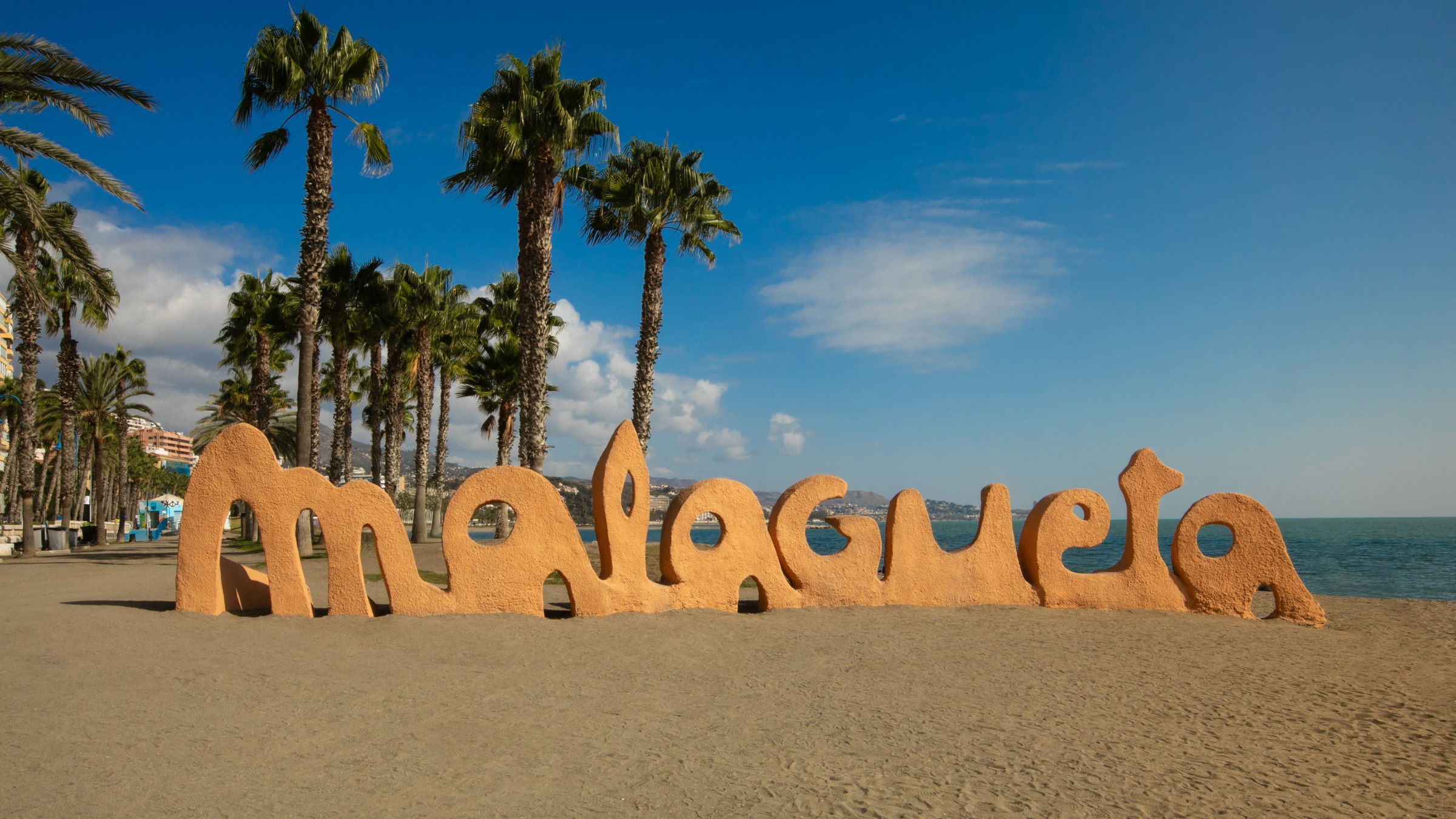
La Malagueta is the best beach in the city, where you can spend a relaxing afternoon by the sea before enjoying a dinner of fresh seafood. One of Malaga’s most famous traditional dishes is espetos, or grilled sardines cooked over an open fire.
5. Marbella
Yet another of the best places to visit in Andalusia is Marbella. Just 40 minutes from Malaga, this glamorous beach resort town is the quintessential Costa del Sol destination. Whether you visit on a day trip from Malaga or base yourself here for several days to soak up the sea and sunshine, Marbella is a must-visit destination.
For travelers who enjoy luxury shopping, high-end dining, and glamorous nightlife, you’ll find plenty of that in Marbella. In the Puerto Banus area, you’ll find designer boutiques along the waterfront, where rows of gleaming luxury yachts are docked.
However, if you’re looking for a more laid-back experience in Marbella, you can have that too.
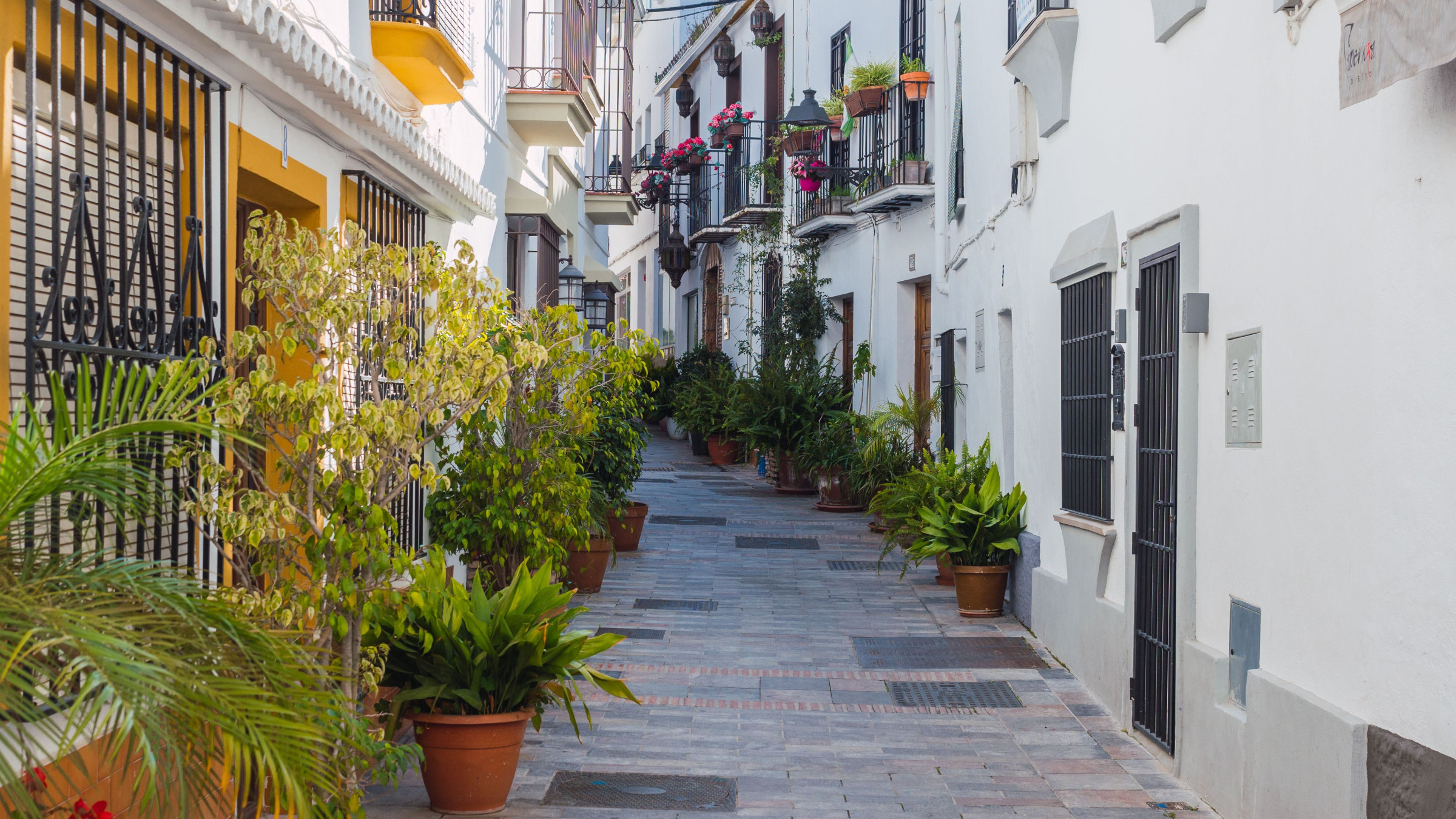
The quaint Old Town of Marbella offers a striking contrast to the glitzy waterfront area, with narrow streets, whitewashed buildings, and family-owned restaurants. It recalls Marbella’s roots as a quiet fishing village, before it became the flashy beach hotspot it is today.
6. Cadiz
Although it’s also located along the coast, Cadiz is very different from Malaga or Marbella. Rather than being on the Mediterranean Sea, Cadiz is on the Atlantic Ocean.
Known for being one of the oldest continuously inhabited cities in Western Europe, Cadiz was founded by the Phoenicians as a trading post as early as the 11th century BC.
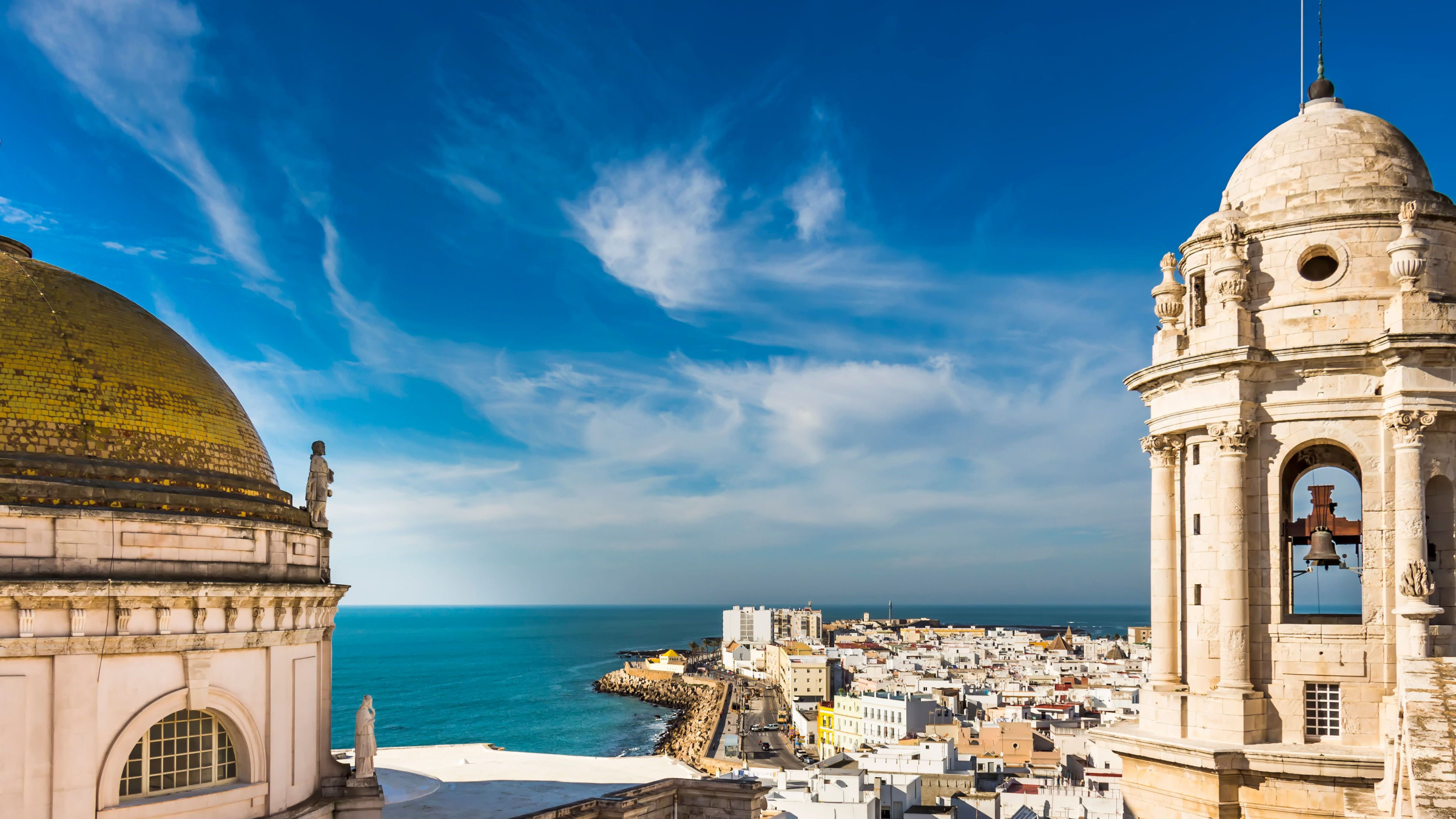
Cadiz remained an important and strategic city during the Spanish Age of Exploration. Today, the city has a relaxed atmosphere, with historic sights like the gold-domed Cadiz Cathedral that reflect the city’s wealth during the era of transatlantic trade.
If you’re visiting Cadiz in the spring, you can experience the Carnival celebrations in the city. Cadiz has one of the best-known Carnivals in Spain, famous for its exuberant street parties, humorous performances, and elaborate costumes.
Cadiz is also a good beach destination, and La Caleta is a sandy beach right in the city. With its location on the Atlantic Ocean, you won’t be surprised to learn that Cadiz is also renowned for its seafood. Shrimp fritters and seafood stew are some of the most popular dishes here.
7. The White Villages (Pueblos Blancos)
Andalusia’s Pueblos Blancos (White Villages) are a must for your Southern Spain itinerary. These villages, named for the whitewashed walls of their historic buildings, are characterized by their dramatic scenery, winding cobblestone streets, and historic charm.
The majority of the Pueblos Blancos can be found in the triangle formed by Seville, Malaga, and Cadiz in the southern part of Andalusia.
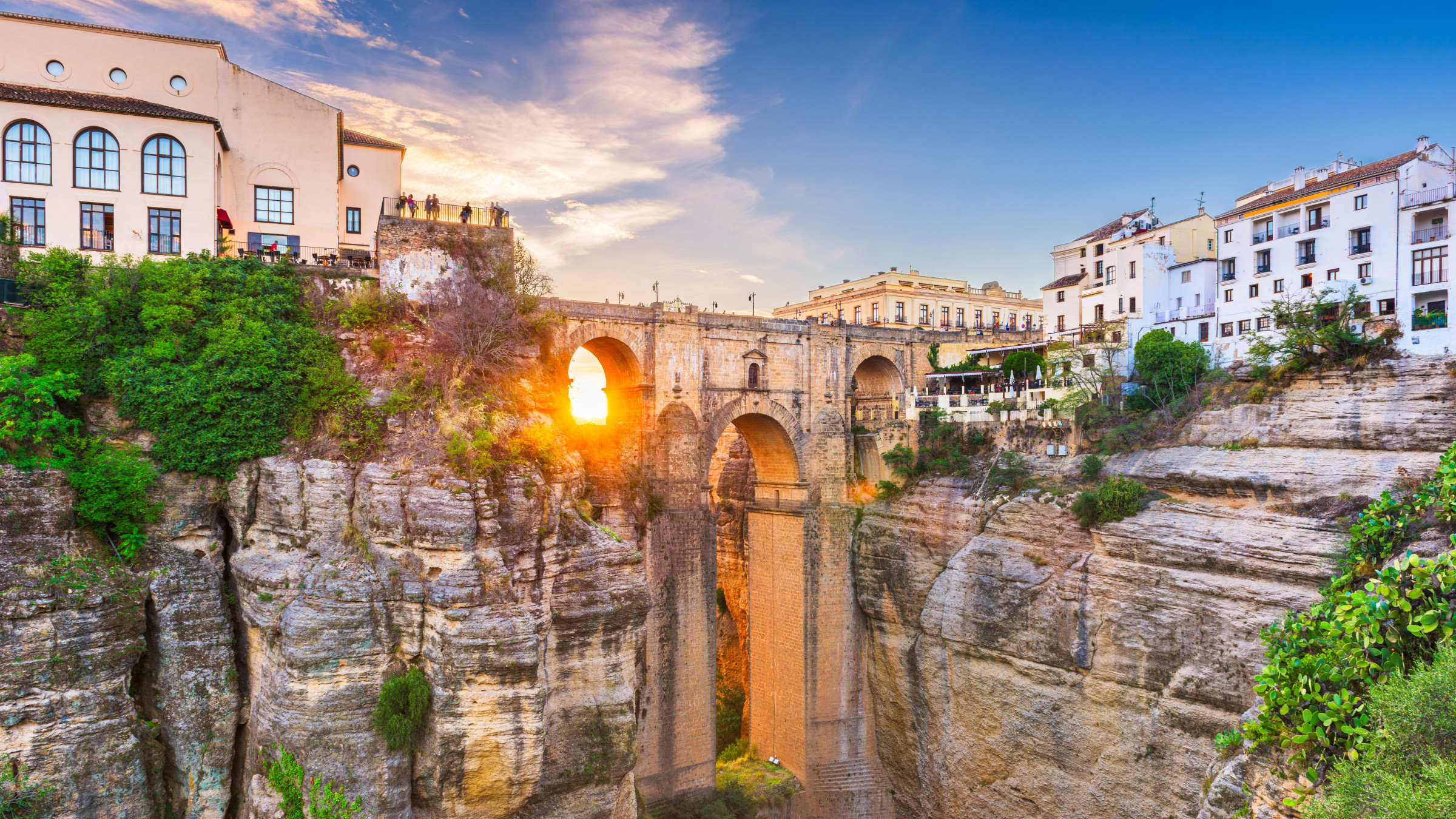
If you only have time to visit one of the Pueblos Blancos, the town of Ronda is often considered to be the most beautiful. Located less than two hours from Seville and one and a half hours from Malaga by car, Ronda is situated at the top of a steep gorge, making for incredible views.
Other Pueblos Blancos that are worth visiting include nearby Setenil de las Bodegas, Olvera, and Zahara de la Sierra.
You can easily visit several white villages on a day trip from one of the larger cities in Andalusia, or stay overnight in one of them to immerse yourself in the small-town charm.
Natural Wonders of Andalusia
You also shouldn’t overlook the natural wonders of Andalusia. Although Andalusia has many incredible cities, it’s also worth discovering the region’s beautiful nature, and that goes beyond the beaches.
The interior of Andalusia is home to some truly special places, many of which are accessible on day trips from larger cities in the region.
8. Caminito del Rey
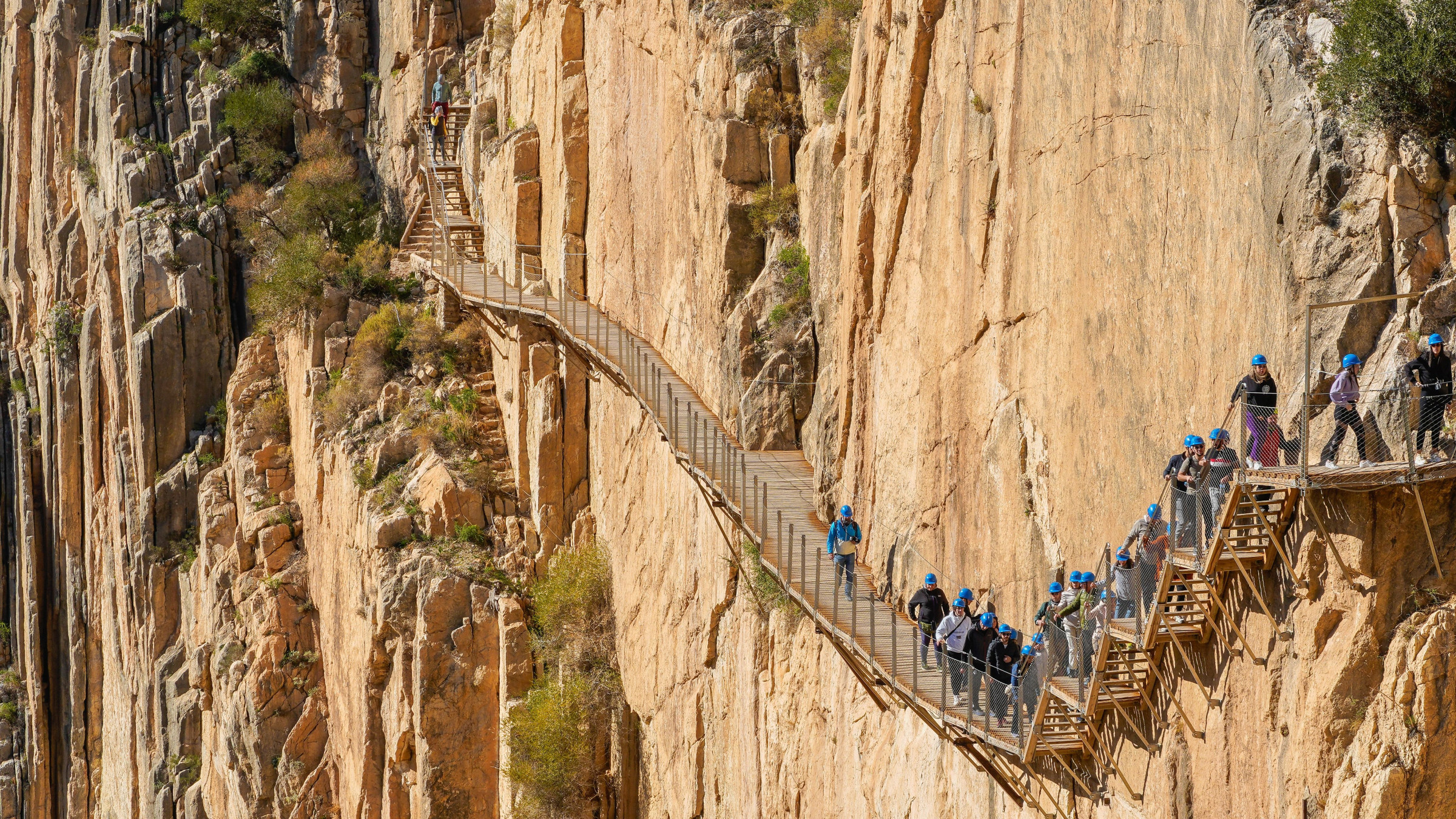
Caminito del Rey is one of the best places to visit in Andalusia for natural attractions. It’s a narrow walking path that clings to the sheer cliffs of a deep limestone gorge carved by the Guadalhorce River. This exhilarating walk offers breathtaking views of the gorge and the surrounding scenery.
The full route covers about 4.3 miles total, and usually takes visitors about two hours to complete. Much of the route is along the wooden boardwalks that are pinned to the side of the gorge, so you’ll have amazing views as you walk.
The walkway was originally constructed at the beginning of the 20th century to provide a crossing between two hydroelectric power plants, and it got its present name, Pathway of the King, when the Spanish king Alfonso XIII crossed the walkway in 1921.
Although once known as a dangerous hike attracting thrill-seekers and adrenaline junkies, the boardwalks were fully restored in 2014, making this an accessible and safe walk for everyone.
Located between one hour and one hour and 15 minutes away by car, Caminito del Rey is the perfect day trip from Malaga or Marbella.
9. Sierra Nevada
Although many people think of arid, sun-drenched cities and Mediterranean beaches when they think of Andalusia, the region is also home to more varied landscapes. The Sierra Nevada mountains offer some of the most striking and dramatic scenery in Andalusia.
Located in the eastern part of Andalusia near Granada, the Sierra Nevada range is home to mainland Spain’s highest peak, Mulhacen.
During the spring, summer, and fall, the Sierra Nevada mountains are a great destination for hikers and outdoor adventurers. In the winter months, it transforms into Europe’s southernmost ski resort.
Although you can glimpse the snow-capped peaks of the Sierra Nevada mountains from Granada, it’s worth spending some more time getting closer to the mountains.
Aside from hiking and outdoor activities, there are also some charming traditional villages in the mountains where you can enjoy spectacular views and a slower pace of life.
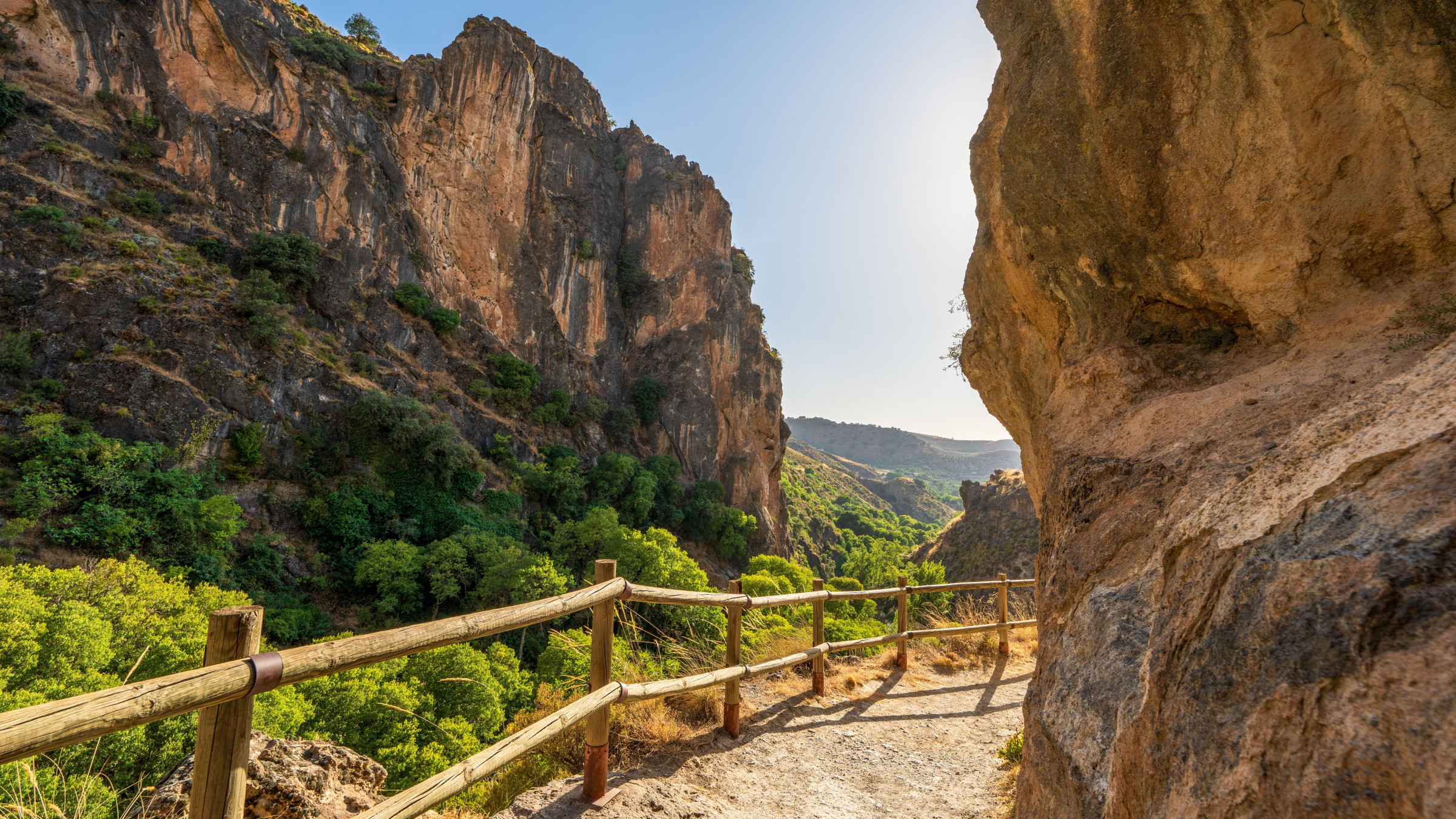
10. Sierra de Grazalema
Sierra de Grazalema Natural Park is another one of Andalusia’s natural wonders. This expansive natural park in the southern part of Andalusia encompasses scenic mountains, dramatic gorges, limestone formations, prehistoric cave systems, and more.
Outdoor enthusiasts will enjoy hiking in the Sierra de Grazalema, which features varied wildlife and biodiversity, as well as picturesque small towns.
Some of the Pueblos Blancos, or white villages, are located within the natural park, including Grazalema and Zahara de la Sierra. There are hiking routes you can take from these villages to explore the surrounding natural areas.
Interestingly, the Sierra de Grazalema is one of the wettest areas in Spain, which contrasts sharply with the arid landscapes that characterize much of Andalusia. Because of this, you can expect verdant green landscapes, but also a higher chance of rainfall.
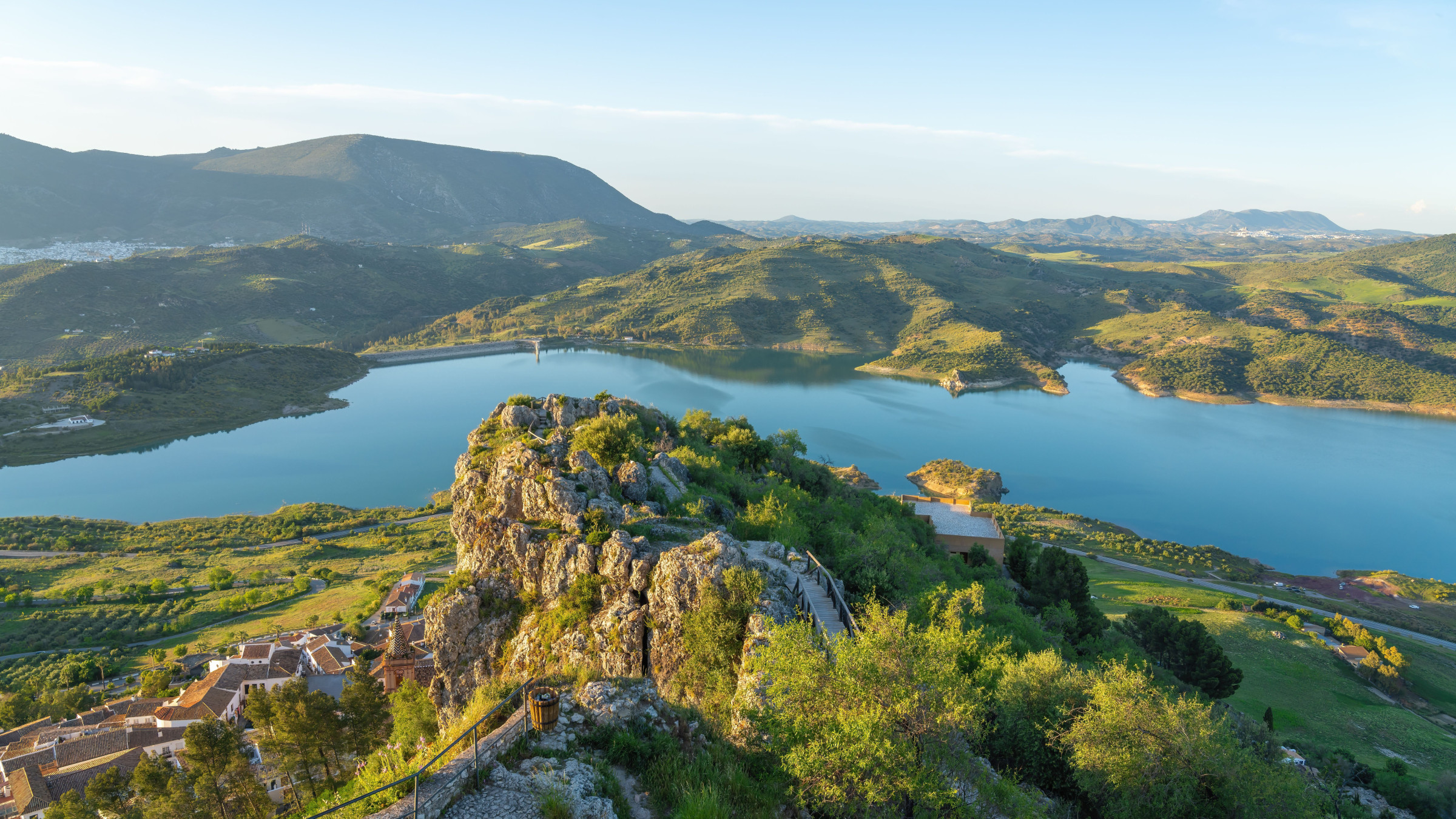
11. El Torcal de Antequera
One more natural wonder in Andalusia is El Torcal de Antequera. This nature park is known for its otherworldly karst landscapes. With its unique and dramatic limestone formations, you’ll feel like you’ve stepped onto a different planet when you visit El Torcal de Antequera.
It’s located just one hour north of Malaga, making it an easy day trip and an interesting contrast to the bustling beaches of Malaga. There are various trails through El Torcal de Antequera, from short loops to more extensive hikes, making it accessible to every visitor.
Walking through the towering limestone formations, which were shaped by millions of years of erosion, you’ll discover surreal shapes that resemble objects, animals, and even human figures. Throughout the nature park, you can also take in great views from various viewpoints.
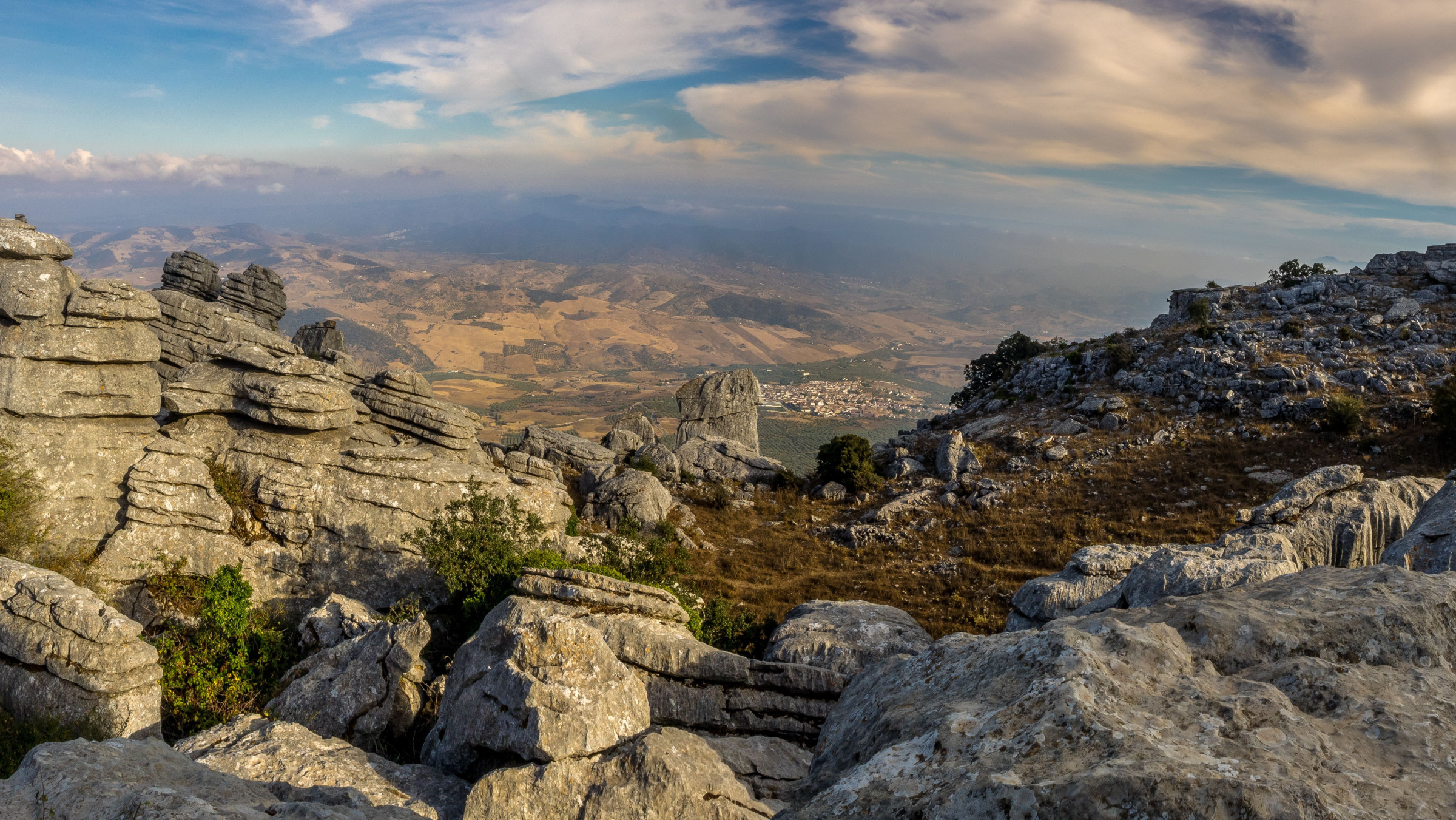
Best Time To Visit Andalusia
When is the best time to visit Andalusia? If there’s one thing to know about Andalusia’s weather, it’s that it’s famously hot and sunny. Andalusia receives more than 300 days of sunshine per year and experiences extremely hot summers.
In fact, the weather can be downright scorching in June, July, and August, which is why this isn’t a recommended time to visit. With summer temperatures soaring above 100° F for many days and little respite from the sun, it can be hard to fully enjoy Andalusia in the summer.
Winter can be a good time to visit Andalusia for milder weather and off-season prices, although it can be surprisingly cold at times. For the best mix of pleasant weather, reasonable crowds, and moderate prices, spring and fall are great times to visit Andalusia.
April & May
April and May are two excellent months to visit Andalusia. The weather will be sunny and warm, with average daily temperatures in the high seventies. Although there’s occasionally some rainfall in the spring, it’s irregular and likely won’t impact your trip.
Spring is a great season for experiencing unique festivals in Andalusia. For visitors coming to Andalusia in early April, you can witness the spectacular Semana Santa celebrations leading up to Easter.
Later in April, Seville hosts its famous Feria de Abril springtime festival, and in May, visitors can experience Cordoba’s vibrant and flower-filled Fiesta de los Patios.
This is a warm, lively time of year to visit Andalusia, when cities come to life, and the weather is perfect for enjoying all this region has to offer.
September & October
September and October are also good months for visiting Andalusia. September is a great time to enjoy beach destinations without the summer vacation crowds.
It’s still very hot in September, with average daytime temperatures in the nineties, so keep this in mind. But it can be the perfect time to experience Andalusia’s coastal destinations.
If you’re looking for milder weather, October is your best choice for a fall trip to Andalusia. The weather is still warm, with average daily temperatures in the high seventies. This makes it the ideal time to explore Andalusia’s cities, towns, and natural wonders.
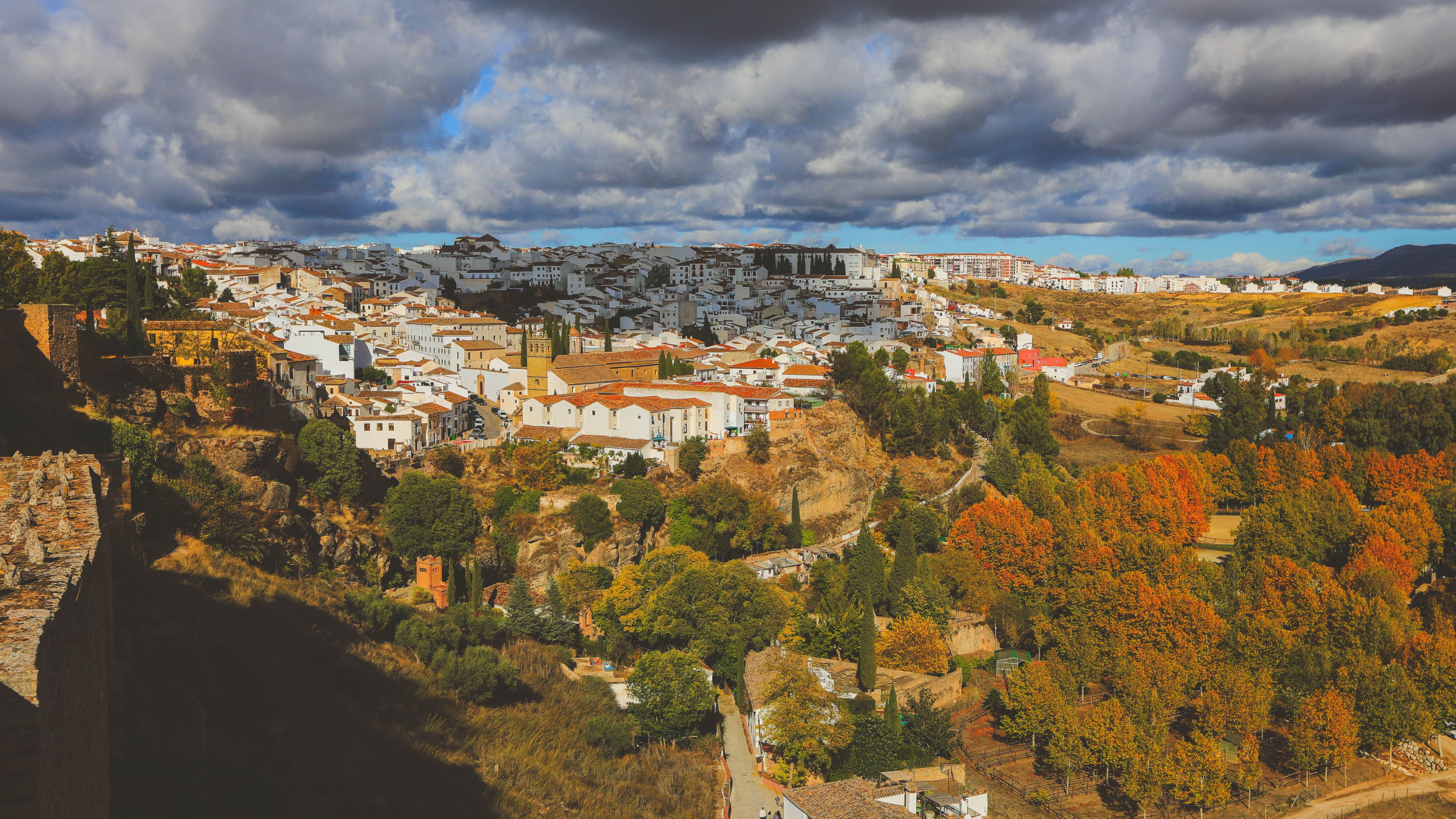
Frequently Asked Questions About Traveling To Andalusia
What are the best places to visit in Andalusia for a first-time trip?
The Andalusia region is home to some of the most beautiful places in Spain. An Andalusia itinerary often starts in the city center of Seville, where you can visit Plaza de España and the Royal Alcazar, a stunning UNESCO World Heritage Site featuring intricate Islamic architecture. Don’t miss the beautiful city of Granada to see the world-famous Alhambra Palace, a Moorish history masterpiece set against the highest mountains of the Sierra Nevada.
What is Andalusia known for?
The Andalusia region is world-famous for its rich cultural heritage, featuring UNESCO World Heritage site landmarks like the Alhambra Palace and stunning Islamic architecture. This popular destination on the southern coast of Spain is the heart of flamenco shows, Moorish history, and the best tapas. Nature lovers visit for the highest mountains, deep gorge views in Ronda, and endless olive groves. Whether you are exploring a small town, a historic city like Seville, or the beautiful beaches of the Costa de la Luz, the area is known for its warm weather, rich history, and the unparalleled atmosphere of its historic quarters.
How many days in Andalusia?
For most travelers, seven to ten days is the ideal duration to experience the region’s Golden Triangle, Seville, Cordoba, and Granada, along with a few iconic white villages like Ronda. If you are short on time, five days are enough to cover the main landmarks of Seville and Granada, while a more relaxed 14-day itinerary allows for deeper exploration of coastal areas like Malaga and Cadiz or hiking in the Sierra Nevada mountains. For first-time visitors, it is generally recommended to spend at least three days in Seville to navigate its historic center, two days in Granada to visit the Alhambra, and one day in Cordoba to see the Mezquita-Cathedral.
Where can I find the most authentic local culture and festivals in Andalusia?
The soul of Seville is best experienced during Semana Santa, when the historic center is filled with the scent of incense and flamenco shows are held in intimate venues. If you are in Seville in April, the Feria de Abril is a must-visit to see locals in traditional dress dancing the Sevillanas. For a unique atmosphere, visit Jerez de la Frontera for the Feria del Caballo to see the Royal Andalusian School of Equestrian Art in action.
Where is the best place to go for tapas in Andalusia?
The city of Granada is a popular destination, as many tapas bars in the city center still serve a free small plate with every drink. For local culture and the best tapas, the historic quarter of Seville is a must-visit place, especially the oldest city tavern, El Rinconcillo. Moreover, Cadiz offers a nice place to eat fresh seafood in the historic center after visiting the beautiful beaches.

Enjoy The Best Places To Visit in Andalusia With JayWay
As you can see in this list of the best places to visit in Andalusia, this sunny region in the south of Spain has no shortage of fantastic destinations to add to your Iberian Peninsula itinerary.
From bustling cities and laid-back towns and villages to impressive mountain tops and glistening beaches with crystal-clear waters, Andalusia offers endless unforgettable moments.
Andalusia boasts a remarkable balance between cultural treasures, architectural wonders, and natural beauty. Deciding on the best places to visit in Andalusia might sound a bit daunting, considering all the goodness that awaits there. But there’s no reason to worry.
Our expert trip planners and local staff on the ground ensure an Andalusian adventure like no other, sprinkled with experiences, tours, and activities that will render your trip all the more memorable.

Born and raised in Athens, Maria’s passionate about travel and storytelling, a combination that makes her ideal for her role as our content manager.